Lately I have been thinking a lot about how casually words like Kundalini awakening, ego death and enlightenment are used in modern spirituality.
You can now attend a weekend workshop, have an intense emotional experience and leave believing you are spiritually awakened. Sometimes people are even selling “Kundalini activations” as though awakening is something that can simply be switched on for a price.

And honestly, the deeper I go into studying traditional yoga philosophy, the more uncomfortable I become with how casually these ideas are treated. Because when you look at the Vedas, the Upanishads, the Yoga Sutras and texts like the Bhagavad Gita, these practices were never approached lightly.
They were approached with preparation and caution.
The ancient yogis understood these practices as powerful. Not just emotionally powerful but deeply transformative to the mind, body and nervous system. That is why so much emphasis was placed on foundations before deeper energetic practices.
Ethical living.
Discipline.
Breathwork.
Meditation.
Self study.
Devotion.
Consistency.
Not because they wanted to gatekeep spirituality but because preparation protects the practitioner. Traditional yogic systems often describe Kundalini as an immense force moving through the system. If the body and mind are not prepared, trying to force that kind of experience can be like trying to run huge voltage of electricity through a system that cannot handle it yet. The system becomes overwhelmed.

And honestly, I think modern spirituality sometimes forgets this.
There are documented cases of people experiencing panic attacks, insomnia, dissociation, emotional overwhelm and psychosis like symptoms after intense spiritual practices. Some researchers even refer to this as Kundalini syndrome.
This does not mean spiritual experiences are not real. It means the nervous system matters. And traditional yogic systems already understood this centuries ago.

There are yogis, monks and renunciates who dedicate their entire lives to spiritual practice and still would never claim enlightenment. So I think we should question the modern idea that awakening can simply be purchased, activated or achieved in a weekend.
If enlightenment and Kundalini awakening were really this easy, I think the world around us would look very different.Would we still be living in a world where people are buying €200 yoga pants made by children being paid less than a living wage?

Would the wellness industry still be built around image, status and consumption? I do not say this to shame anyone. I say it because I think spirituality without honesty becomes performance.
One of the things I find most interesting about the Bhagavad Gita is that these teachings were not given to someone who had escaped the world. They were given to Arjuna, a warrior and a householder. Someone overwhelmed by responsibility, emotion, conflict and confusion.
I think many people now imagine yoga as a path where we transcend being human altogether. We try to get rid of the ego. Become fully awakened. Escape ordinary life. But the Gita repeatedly points us back toward awareness, devotion, discipline and right action within life itself. Not escaping life but learning how to meet it more consciously.
I once met someone who told me they had experienced ego death and no longer had an ego. I remember thinking, I do not think that is how this works.
The Yoga Sutras speak about asmita, our identification with the ego self, as one of the root causes of suffering. That is deep conditioning. I personally do not believe one intense spiritual experience suddenly removes all ego forever.
In fact, I think spirituality can sometimes make the ego more subtle and harder to recognise. The ego simply becomes spiritual. Sounding like……. “I am awakened.” “I am more conscious.” “I have transcended.”

And social media rewards this. We now live in a culture that values intensity over integration. Big emotional releases over long term practice. Dramatic experiences over quiet consistent discipline. But real practice is much slower than that. Sometimes repetitive. ordinary, sometimes even boring.
It is allowing the teachings to slowly seep into your life over years. Into how you speak, react and how you treat people.
That, to me, feels far more transformational than constantly chasing spiritual highs. The more I study yoga, the less interested I become in dramatic claims and the more interested I become in foundations. Slow practice. Steady awareness. Humility. Consistency. Integration.
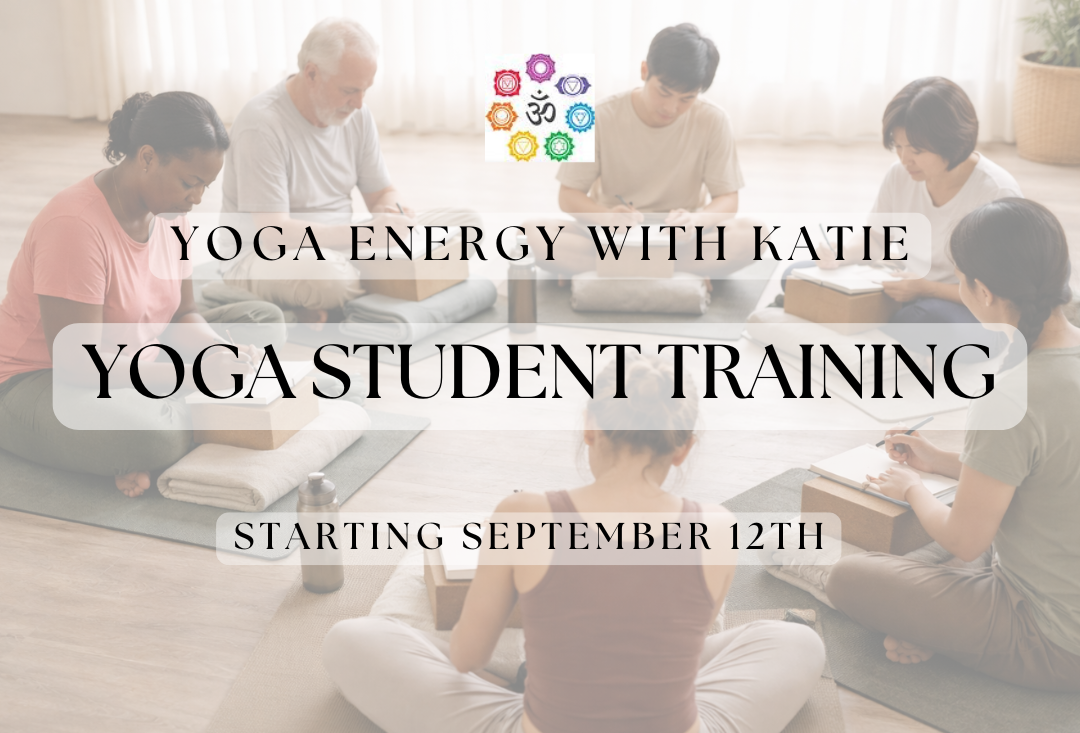
That understanding has deeply shaped the way I teach and the reason I created my 100 Hour Yoga Student Training. This training is not about becoming spiritually superior or chasing extraordinary experiences. It is about building a strong foundation in yoga philosophy and practice so the teachings can slowly become part of your everyday life. We explore yoga philosophy, asana, breathwork, meditation, mantra, ethics, self study and the deeper roots of the practice in a grounded and accessible way.
Not to escape life but to help prepare you for life. Because to me, yoga was never meant to simply give us peak experiences. It was meant to help us live with greater awareness. And maybe real transformation is not about becoming extraordinary overnight.
Maybe it is about slowly becoming more honest, more aware and more present within ordinary life.