

Brigid & Thatcher: Two Iron Ladies, Very Different Fires.
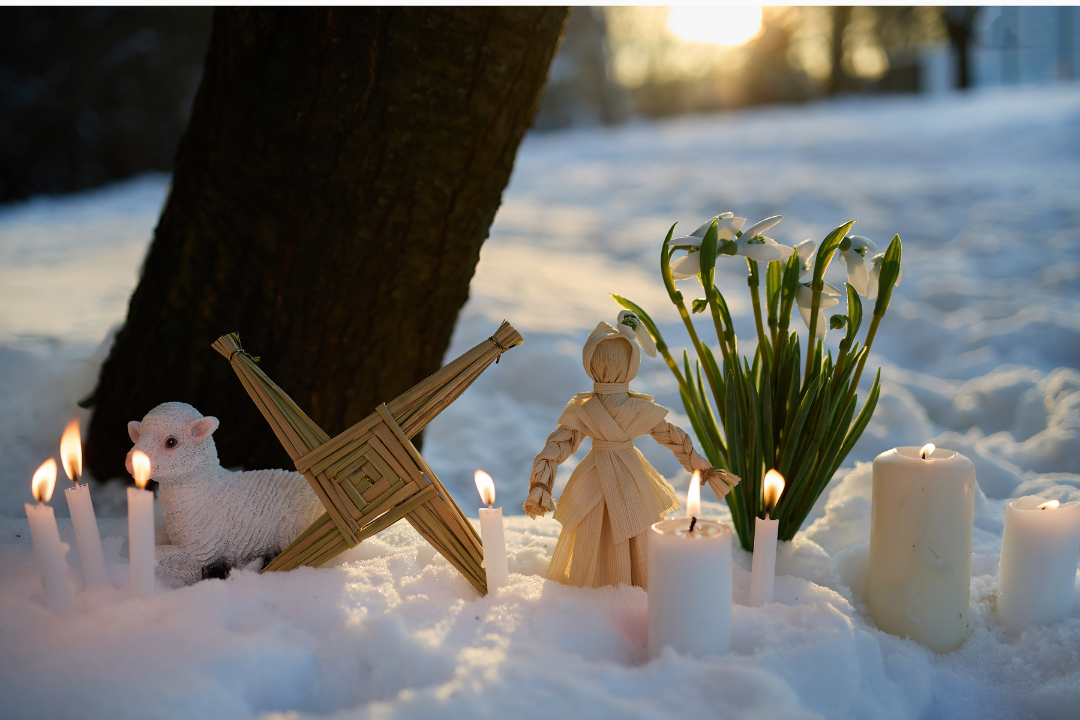
The lamb, snowdrop, fire, brideóg and melting snow are all symbols of the Celtic Festival of Imbolc & Goddess/Saint Brigid.
In recent years, I’ve found myself reflecting more deeply on leadership, power, and what our world seems to be crying out for. In politics, workplaces, business, religion, healthcare, and education, something feels deeply out of balance. For me, that imbalance is not about men versus women, it’s about energy. Specifically, the lack of feminine qualities in how we lead, govern, and relate to one another.
Growing up in Ireland, I was quietly shaped by powerful role models. The presidents from my childhood were Mary Robinson and Mary McAleese. At the time, I believed my pride came simply from the fact that they were women, and as a young girl, that mattered. It felt progressive. It felt hopeful.
Later, when Michael D. Higgins was elected, I felt that same sense of pride. Over time, I realized something important, my respect for these leaders had little to do with gender and everything to do with how they led.
Around election time, I often hear people say “We need more women in politics” or questions like “When will America elect its first female president?” as though gender alone would magically transform systems that are deeply flawed. While representation matters, history shows us that electing a woman does not automatically lead to more compassionate or balanced leadership.
Margaret Thatcher is a clear example of this. While her role as the UK’s first female Prime Minister was historic, her leadership style embodied many unbalanced and often toxic masculine traits, rigidity, dominance, suppression of empathy, and policies that prioritised power and profit over people and community. This shows us that simply placing a woman in power does not solve the deeper issue.
What we truly need are representatives, men and women, who embody a balance of healthy masculine and feminine energy.
What Do I Mean by Feminine Qualities?
When I speak about the feminine, I’m not talking about gender or biology. I’m talking about qualities associated with feminine energy, qualities that many cultures once revered but that modern society often dismisses as weak or impractical.
Feminine qualities include:
Intuition
Creativity
Emotional intelligence
Compassion
Empathy
Collaboration
Receptivity
Nurturing
Cyclical thinking
Deep listening
Imagine what our world might look like if our representatives, managers, teachers, doctors, and spiritual leaders truly embodied these qualities. How different would decision-making feel if intuition was valued alongside data, if empathy guided policy, if creativity was welcomed instead of feared?
At present, we are living in a world dominated by unbalanced masculine energy, not the healthy masculine, but a distorted version of it. A world driven by constant productivity, competition, control, extraction, and domination. And we are suffering because of it.
This Is About Balance, Not Blame
Let me be very clear, this is not an attack on men, nor is it a dismissal of masculine qualities. We all carry both masculine and feminine energies within us.
Healthy masculine qualities include:
Logic and discernment
Structure and boundaries
Action and decisiveness
Protection
Stability
Linear thinking
Focus
These qualities are essential. Without them, ideas remain dreams and creativity has no container.
But when masculine energy becomes dominant and unchecked, it moves into its shadow.
Toxic or shadow masculine qualities can look like:

Greed
Domination and control
Aggression
Exploitation
Suppression of emotion
Power-over leadership
Disconnection from wild life the land and the body
We don’t have to look far to see examples of this playing out on the world stage.
The Shadow of the Feminine
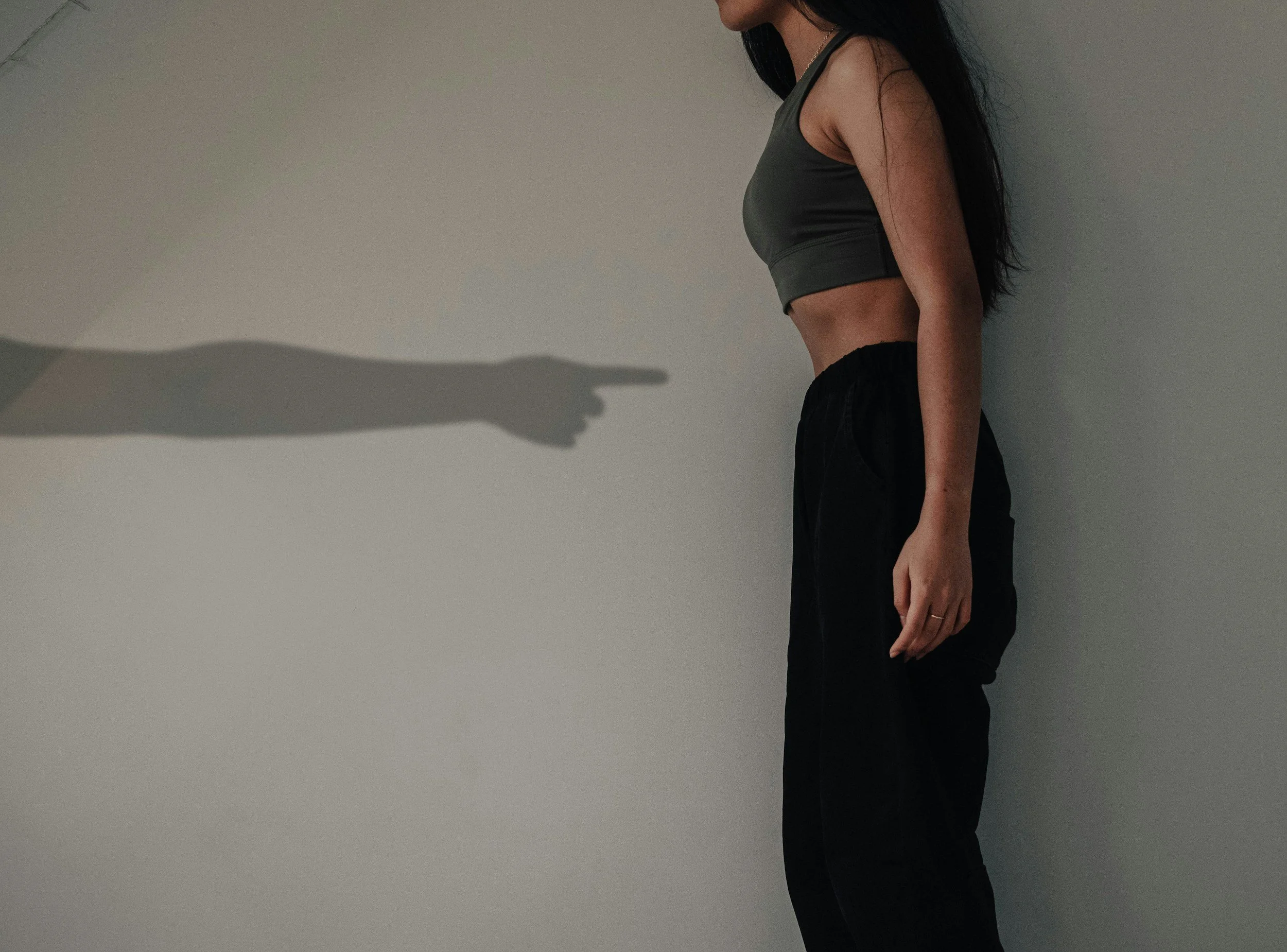
What’s spoken about far less is that the feminine also has a shadow, perhaps because we rarely allow the feminine into systems in the first place.
Unbalanced or shadow feminine qualities can include:
Manipulation
Martyrdom
Emotional overwhelm
Passive aggression
Lack of boundaries
Victim mentality
Avoidance of responsibility
True balance requires that we acknowledge both shadows. Only then can we consciously choose to embody the healthy expressions of each.
Balance in Practice - Not Just Theory
This belief in balance isn’t something I only talk about, it’s something I consciously try to live.
In my own work, I don’t see other teachers or practitioners as competition. I value collaboration over comparison, knowing that community creates far more impact than hierarchy ever could. I value time as much as money, and because of that, I intentionally create space for rest, creativity, and recovery, not just productivity.
When I’m faced with decisions, I turn to my intuition as much as logic. I listen to my body, my energy, and the subtle signals that often get ignored in a purely rational world.
I’ve also learned that balance sometimes looks very practical. My Yoga, Reiki, and creative work are deeply nourishing, but they can be financially unpredictable. To support that, I balance this work with my role as an Special Needs Assistant, a job that offers stability, structure, routine, security, social connection and consistency. These are healthy masculine qualities, and they provide a strong container that allows my more intuitive and creative work to thrive.
It has taken me many years to replace a life where I felt working longer and harder meant I was more valuable, and build a life that feels mostly balanced, one where rest and effort, intuition and logic, creativity and structure can coexist.
Wisdom Traditions Have Always Known This
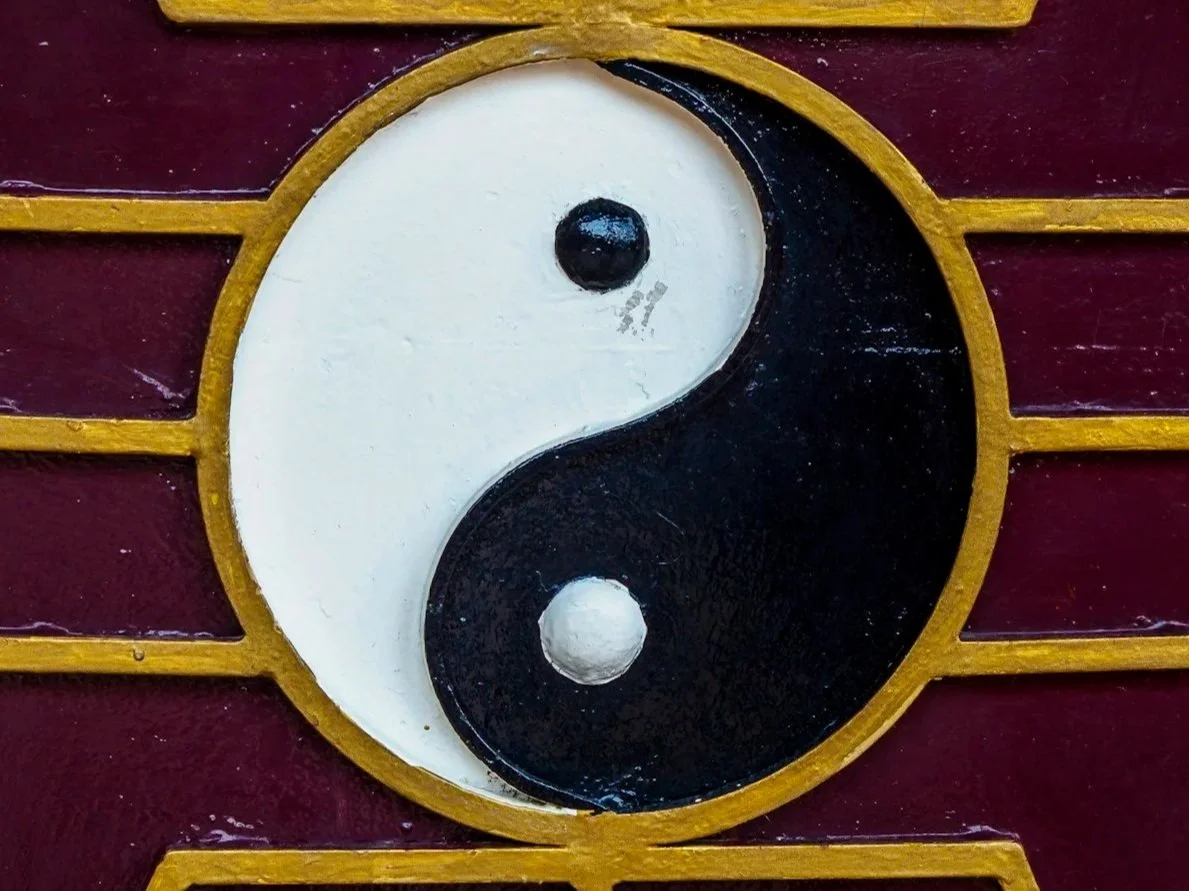
The Taoist symbol for harmony - Yin & Yang
Every wellbeing practice I’ve studied or worked with, points us back to balance. Yin and yang. Ida and pingala. Lunar and solar. Rest and action.
We actively seek harmony within our bodies and minds. The global wellness industry is now worth trillions, which tells us something important, people are desperately searching for balance, peace, and meaning.
So I find myself asking, don’t we want this same harmony in our governments, our schools, our workplaces, and our communities? Yet when wellbeing is reduced to a once-off wellness day, offered without any real policy, cultural, or structural change to support staff, students, or communities, it isn’t balance at all.
It’s the same productivity-driven, performative approach, simply dressed in softer language. We’re offering “wellness” while still operating from the very systems that create burnout in the first place.
That’s not balance, that’s “Om-washing”
Michael D. Higgins, in my view, is a beautiful example of a male leader unafraid to embrace his feminine qualities. A poet. A thinker. A man deeply connected to culture, creativity, and humanity.
Interestingly, many of the leaders of the 1916 Rising also embodied this balance. They were poets, writers, visionaries. They weren’t only fighting for political independence, they were deeply connected to land, culture, myth, and meaning. They honoured Ériu, the Celtic goddess from whom Ireland takes her name, recognising sovereignty as something sacred, not something to dominate.
Why We Need the Feminine Now
Bringing more feminine qualities into the world invites:
More humane systems
Trauma-informed leadership
Sustainable ways of living and working
Respect for cycles - of nature, bodies, and life
Collective wellbeing over individual gain
This doesn’t replace strength with softness, it allows both to coexist.
Bringing Balance onto the Yoga Mat
This conversation around balance is one I return to again and again in my yoga teaching.
In yoga, we don’t always need to push harder, be stricter, or more disciplined, although these are valuable qualities. What we need is balance. In fact, Hatha Yoga literally translates as balance. Ha represents the sun and Tha the moon, masculine and feminine energies working in harmony.
For many of us, daily life already contains a lot of sun/masculine energy, noise, constant productivity, busy schedules, deadlines, running from one thing to the next, being switched on all the time. When this is the case, the yoga practice that supports us most is often slower, quieter, more receptive, moon/feminine energy. Resting poses, conscious breathing, longer pauses, and permission to simply listen.
At other times, we may feel depleted, heavy, or stuck, and that’s when we need to invite in a little more sun, gentle strength, clarity, rhythm, and purposeful movement.
Learning to recognise what we need on the mat helps us develop the skill of discernment off the mat too. When we practise balancing effort and ease in our bodies, we begin to notice where balance is missing in our work, relationships, and wider lives.
Brigid’s Re-emergence in Our Lives
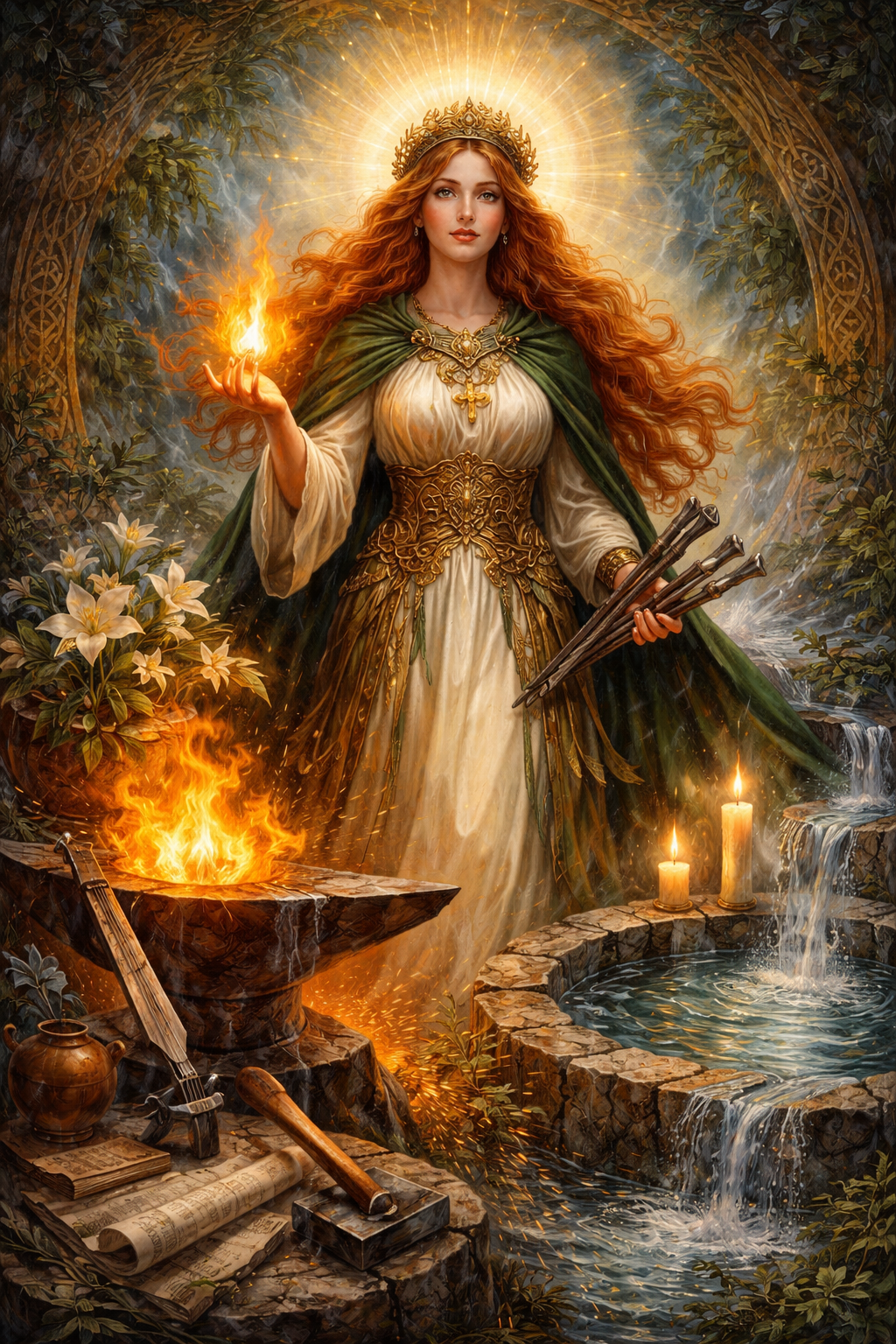
In the past few years, I’ve felt, and witnessed a quiet but powerful re‑emergence of Brigid in Irish life. After centuries of being softened, Christianised, or pushed to the edges of our culture, she is being remembered again as a living presence rather than a relic of the past.
The introduction of a national bank holiday on St Brigid’s Day is symbolic of something much deeper than an extra day off. It marks a collective remembering, an acknowledgement that care, creativity, healing, and connection to land and community matter enough to be honoured publicly. More and more people are now celebrating Imbolc, lighting candles, gathering in circles, honouring seasonal change, and speaking Brigid’s name with intention rather than nostalgia.
This cultural shift feels significant. In a world that has long prioritised productivity over presence, extraction over care, and domination over relationship, Brigid’s return signals a longing for something different. She represents a way of living that values poetry as much as policy, healing as much as progress, and stewardship of the land as deeply as economic growth.
Brigid reminds us that wisdom does not only live in institutions, it lives in wells, hearth fires, hands, and communities. Her growing presence in our collective consciousness speaks to a desire for balance, for rhythm, and for leadership rooted in care for people, wildlife, and the land.
Imbolc, Brigid, and the Call to Balance
This reflection feels especially alive as we approach Imbolc on February 1st, a festival that honours Brigid, goddess of:
Healing
Poetry and creativity
Fertility and new life
Sacred wells
Fire and inspiration

Imbolc marks a liminal time. We are still in the deep feminine of winter, but the masculine spark of spring is beginning to stir. Light is slowly returning.
And so I like to imagine a world where the Iron Lady Margaret Thatcher embraced Brigid. Brigid herself has always had a deep connection to iron, metalworking, and the forge, a patron of smithcraft, transforming raw materials into tools, creating with skill, care, and creativity. She is an iron lady of a very different kind, strong, disciplined, and resilient, yet guided by creativity, intuition, and compassion.
Contrast that with the Iron Lady of politics, Margaret Thatcher, the epitome of toxic masculine energy, rigid, controlling, relentless, prioritising power, dominance, and productivity over care. What if that steel resolve had been tempered by Brigid’s vision? Imagine policy made with intuition, cities designed with compassion for wildlife, business balanced with sustainability, and leadership that values rest, listening, and collaboration as much as action and progress.
Even today in Ireland on a seemingly trivial local issue, we see the difference including the feminine energy could make, but it is still being dismissed by authorities. Blindboy Boatclub recently highlighted the “birdshit district” problem in Bedford Row, Limerick. Thousands of starlings roost in the city centre, leaving streets slippery and smelly. The council’s response has been reactive, more cleaning, pruning, and control, reflecting the very linear thinking of the unbalanced masculine energy. Blindboy’s suggestions in contrast, is creative, playful, compassionate, and practical. He’s idea to work with the birds natural patterns, uses eco-friendly solutions, and imagines ways the problem could connect the community with the land and wildlife. Listening, observing, and co-creating rather than dominating. His ideas have been dismissed as crazy or weird, but what if more of our leaders & institutions approached the world this way?
If harmony is what we’re seeking within ourselves and in the world, then balance of energies is not optional. It is essential.
As we move through the weeks ahead, I invite you to gently observe your own life. Where might things feel overly rigid, rushed, or controlling? Where might there be too much softness, hesitation, or lack of direction?
What would it feel like to consciously invite a little more balance, more listening and more clarity, more rest and more purposeful action?
If this reflection resonates, I warmly invite you to join my Anú Rising Together Circle this Imbolc. Together we will honour Brigid, mark the turning of the wheel, and explore the balance of feminine and masculine energies in our lives.
And even if you don’t join us, may the coming weeks offer you moments of clarity, creativity, and gentle rebalancing as the light slowly returns.